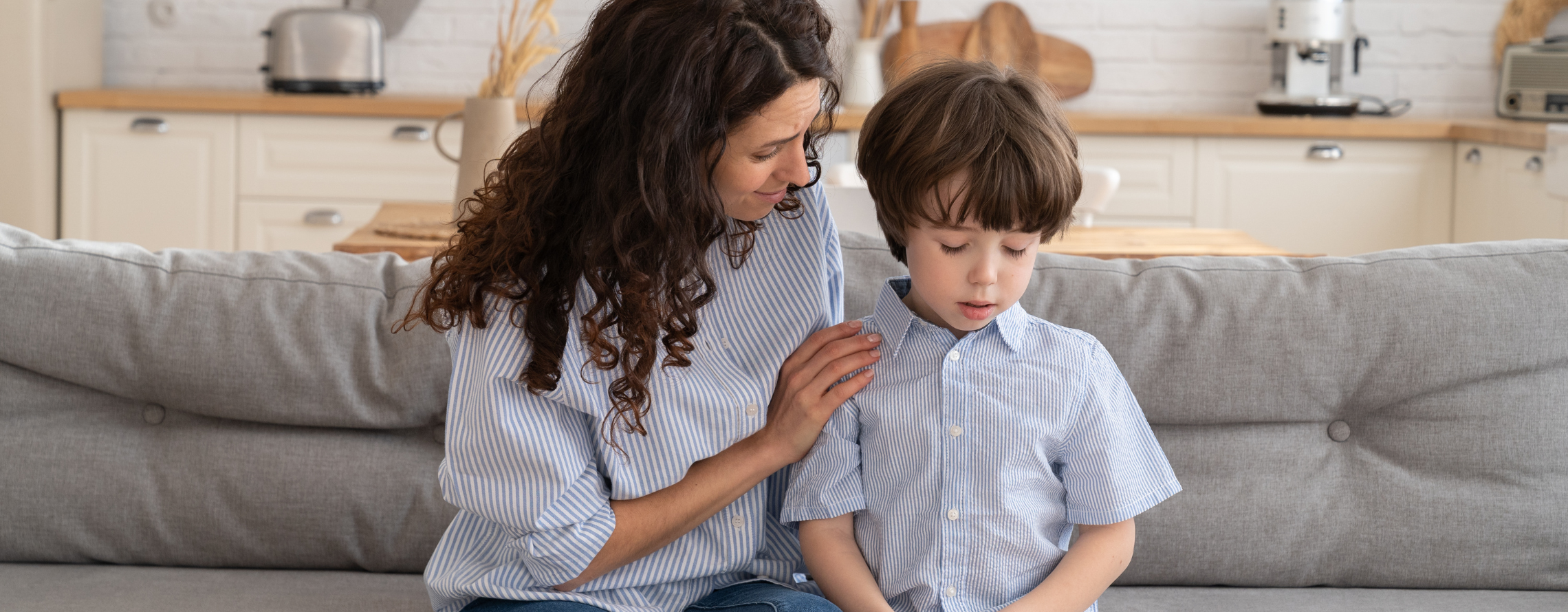
Self-Regulation and Co-Regulation
Learning to manage emotions is an important part of a child’s development. Self-regulation is the ability to manage emotions, behaviour, and attention. These skills are not something children are born with. They develop over time through supportive relationships with caring adults.
When adults help children through difficult moments in calm and responsive ways, they are practicing co-regulation. These repeated experiences help children learn how to calm their bodies, understand their feelings, and respond to challenges more independently as they grow.
Start with Your Own Regulation
Co-regulation begins with self-regulation. Children often look to caring adults to understand how to respond in stressful situations. When adults stay calm, children are more likely to begin calming as well.
If a child is upset, try lowering your voice instead of raising it. Matching the child’s feelings without matching their volume or intensity helps create a sense of safety. Taking a deep breath, slowing your movements, and speaking calmly shows children what regulation looks like.
Help Children Understand What Happened
When children are overwhelmed, they may not understand why they reacted the way they did. Calmly describe what happened using simple language.
For example, you might say, “You were upset when it was time to stop playing,” or “You were frustrated because the block tower fell down.” Helping children understand the situation builds self-awareness and teaches them to recognize their emotions over time.
Acknowledge and Name Feelings
Children need to know that all feelings are okay, even when some behaviours are not. Getting down to the child’s level, listening, and naming their emotions helps them feel seen and understood.
You might say, “It looks like you’re feeling disappointed,” or “I can see you’re feeling frustrated.” As children begin to understand their emotions, they become better able to express them in healthy ways.
Guide Children Through Calm Strategies
Children often need support learning what to do when they have big feelings. Offer simple calming strategies such as taking deep breaths, asking for a hug, squeezing a stuffed animal, or taking a quiet break together.
Practice Regulation Strategies
Children need opportunities to learn and practise different ways of managing their emotions. Caring adults can model these strategies by talking about their own feelings and showing children how they manage them.
Physical activity can help children release energy and tension. Encouraging children to talk through a problem out loud can also help them organize their thoughts and find solutions. Simple mindfulness activities, such as deep breathing, counting to 10, drawing, or taking a quiet break, can help children relax and refocus.
Practise these strategies when children are calm so they can become familiar with them before big feelings happen. Not every strategy will work for every child, so try different approaches and notice what helps the child feel regulated.
Remember That Regulation Takes Time
Self-regulation develops gradually throughout childhood. Every challenging moment is an opportunity to teach, connect, and build new skills.
When adults respond with patience, empathy, and consistency, children learn that they are safe, understood, and capable of working through difficult emotions. Over time, co-regulation becomes self-regulation.
Additional Information
- Behaviour is often a reflection of a child’s developing ability to manage emotions, thoughts, and actions.
- Children build self-regulation skills through repeated experiences of co-regulation with calm, responsive adults.
- Every supportive interaction helps strengthen a child’s confidence, resilience, and emotional well-being.
Resources
- Self-Regulation Tip Sheet
- en français: Autoregulation Tip Sheet